
How exactly does tamarind help solve climate change?
Someone asked me this question and I’m glad they did. It is important to me to draw as direct a line as possible between climate change and my product to my customers, and I attempt to do so here.
Tamarind is a strong, hardy plant (a fruit-bearing tree, specifically) that can help with climate change by:
Growing big:
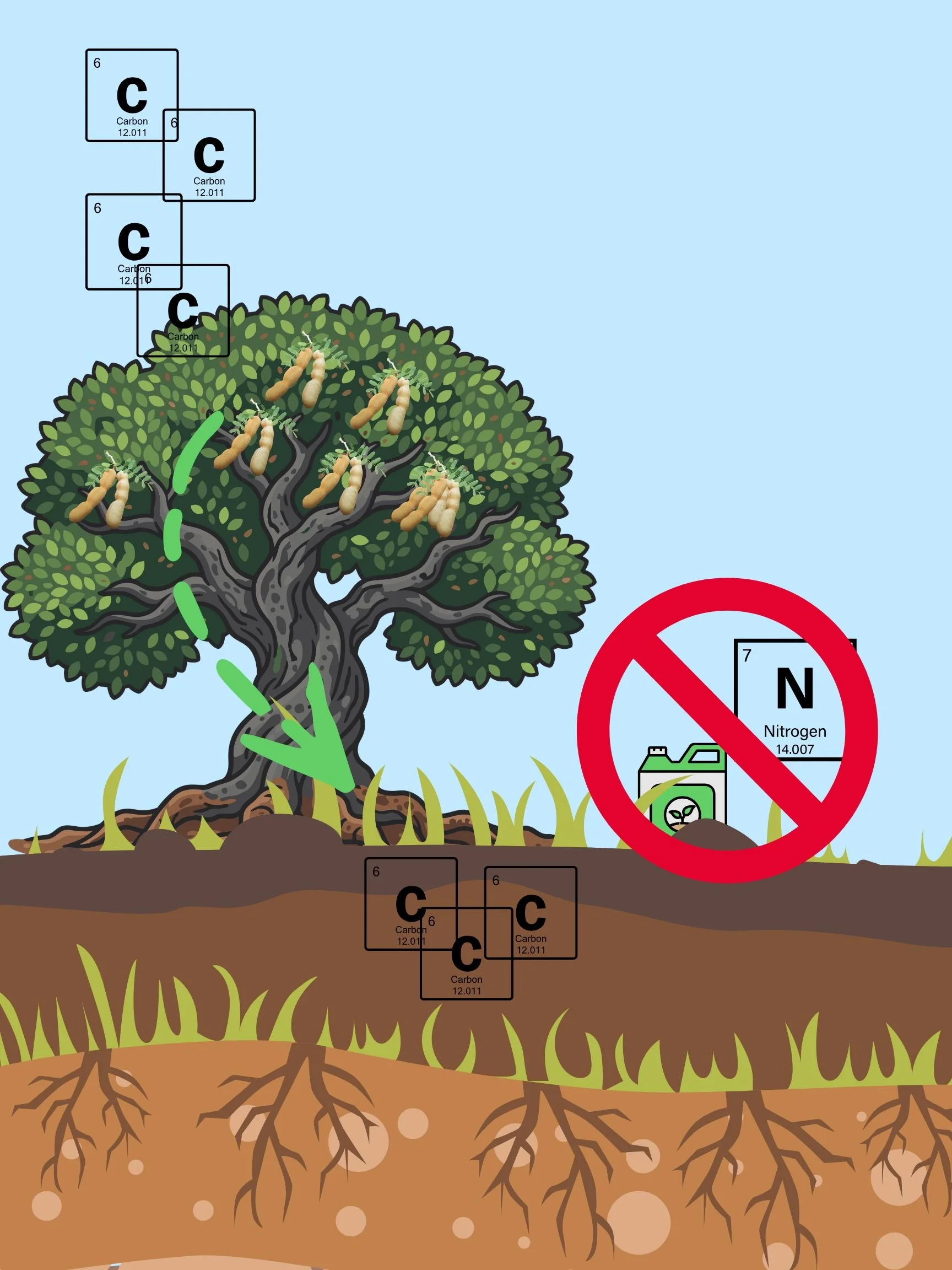
Like all trees, tamarind trees capture carbon emissions — they absorb carbon dioxide through their leaves and channel it into the soil. Tamarind trees are especially good at this because they can grow to be very old, very big and very hirsute (that is, the leaf equivalent – lots and lots of leaves!). Tamarind is one example of many abundant, easily growing, fruit-bearing trees that can both reduce greenhouse emissions and feed people. Here are a few articles if you’re interested in learning more:
Growing easy:
In tropical areas, tamarind grows the way mint does in — freely and wildly. It doesn’t need synthetic fertilizers, which are a huge source of nitrogen emissions, an especially potent greenhouse gas.
Adding traditional, self-starter crops to farms can help replenish nutrients in the soil and make it more productive and less dependent on fertilizers, while creating new income sources for farmers too.
Staying alive:
Honestly, I think the most important climate benefit of tamarind is it will help us adapt to the harsh weather and resource constraints that we’ve already started experiencing. Climate change is here, now is the time to get to know crops that tolerate heat, drought and that regrow post-disaster with no or minimal human help. We need them.
Fortunately, tamarind is just one example of thousands of crops that are less or un-commercialized, but can help us adapt to climate change. Here’s a database of them.
