Food, color, climate

For new subscribers (thank you!) and old, allow me to reintroduce the mission of Climate Cookery: to create modern, delicious foods from the traditional, “underutilized” crops overlooked by the industrial food system.
We all suffer under the weight of a monotonous, consolidating food industry, whose unforgiving focus on efficiency and scaling has led to the neglect of thousands of nourishing, regenerative plants. We (the world over) derive the bulk of our calories from just three crops: wheat, rice and corn.
But in the US especially, the industrialization of food has reached grotesque proportions. Take lots of money and lots of tech innovation plus deeply embedded contempt for government and you’re left with a haunted mega-maze to wade through for everyday nourishment. The situation is so dire that I see some people in the food world and the left try to look for hope in the MAHA movement.
Not just MAHA of course, but MAGA in general has left us numb. I’ve retreated this year, and I’ve felt the people around me retreat too. There’s been a deflation of joy, a dulling of senses. It all makes me think about this article by UK artist David Speed, about the steady loss of color in our world:

“As modern author Alok Vaid-Menon describes it; “historically colour
became associated with indigenous people, with communities of colour,
and with women. And so then colour became associated with anti-reason,
emotion, unrestraint, unbridled ways of being … We have been trained that whiteness is beautiful and tasteful.’”
Over a long period of time in the modern era, the world we’ve built around us has become duller, dimmer, flatter. We’re slowly squeezing the color out of it. Some examples:
“Where Have All The Colorful Cars Gone? Study Shows Them Vanishing”
The coastal grandmother aesthetic
This snuffing out of color makes me think of the disappearance of foods, the monotonizing of our food. Wheat, rice, corn — our plates are also declining in color.

My favorite nutrition advice is to eat the rainbow (I love this goal of 30 plants a week set and explored by Lisa McLean)! Strive to create a plate that is colorful and diverse. It’s not only great for your health, it’s great for the planet too. Having a wide range of plants on our farmland and in our backyards and community gardens builds environmental resilience. And many of these traditional, forgotten crops are drought-tolerant, prolific, adaptable — they thrive with little water and pesticides. They help regenerate the soil in which they’re grown.
A lot of times when we think about climate and food, we think in terms of restrictions: less meat, less dairy. That’s correct, but there’s another side to the story. On the other side of cultured meat, Impossible Beef crumbles, feeding cows seaweed so they don’t fart as much methane, are thousands of foods, often tied closely to the place in which they’re grown, that have disappeared or drastically been reduced in demand. These foods are often difficult to commercialize — perhaps they taste bitter or they’re difficult to process. Traits that are commercial obstacles I try to see as fun challenges.
A question I might ask in this newsletter: how can I hide the bitterness of fenugreek? Or instead of hiding that flavor, is there a way to embrace it that would make it palatable, even delicious to people who’ve never eaten it?
I hope to use these types of crops to revitalize myself, restore my senses, and bring back joy. I invite you to join me as I do!


Examples of traditional, overlooked crops:
Here’s a few I’ve written about:
Some others, from Future Smart Food: Rediscovering hidden treasures of neglected and underutilized species for Zero Hunger in Asia (pdf) — my favorite international body report of all time:


Newsfeed:
It’s been a sad, enraging week, so I’ll try to keep this edition’s section light.
How to Roast Crisp (Not Soggy) Vegetables, According to Chefs - some nice tips for peak roasting season.
The many different breads of Kashmir, including one that looks like a bagel!
This story reminded me that New York City is an archipelago.
Li’l Nubs:
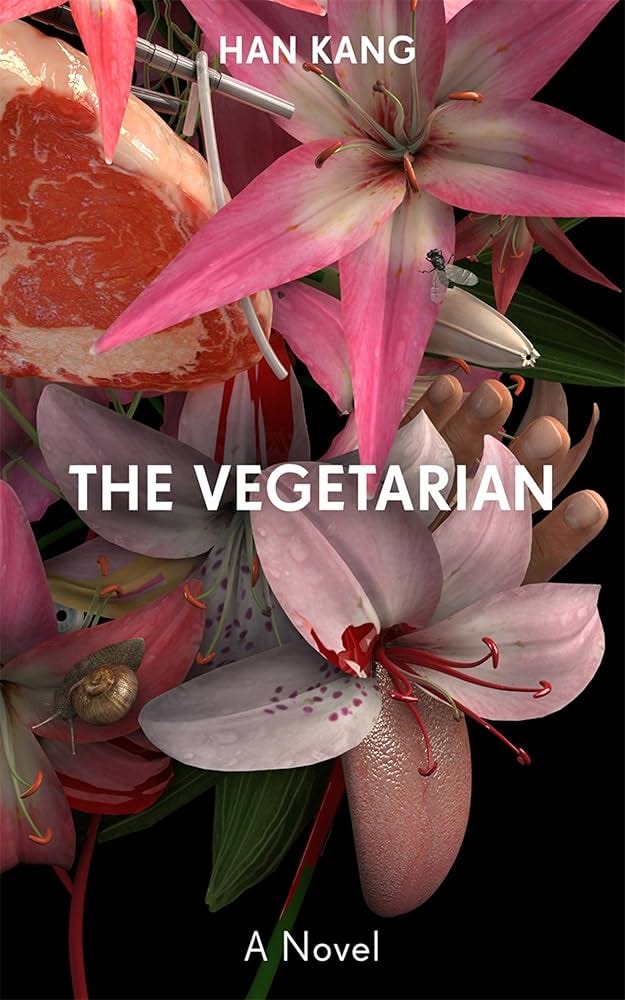
I’ve been physically reading books I take out from the library, and I recommend it as a way to reduce anxiety. It’s genuinely made a difference in my mental health to switch some of the time I spend on my phone to reading a physical book. Right now I’m reading a collection of Sherlock Holmes stories. The last book I finished was The Vegetarian by Kang, which was somehow simultaneously subdued and brutal.
Wow, thank you for writing this. I'm keeping our plates colorful!
theres something beautiful/inspiring about being difficult to commercialize :) .. it feels like industry sells us less nutritionally dense food so we have to buy more of it to sustain ourselves. and idk, this is not based on fact, just hunch, but it seems underutilized crops may in part have more nutritional value because they havent been as manipulated by commercialization. anyway, thanks for writing and giving language to articulate what's happening and how it relates to popular culture! love your food for thought!